

Wall Sandwich panel
Polyurethane (PU) Wall Sandwich Panel
Simple, Facade, and Hidden-Fastener Profiles
Produced Using Continuous Manufacturing Method
GharbPanel wall sandwich panels are manufactured and supplied for a variety of specialized applications. They are produced using pre-painted, galvanized, or Aluzinc sheets, fully customized in terms of color and thickness. Wall sandwich panels are among GharbPanel’s new products, and due to their unique functional properties, they have gained strong popularity across industries and factories.
GharbPanel wall sandwich panels are produced in compliance with international standards. If you are looking for high-quality polyurethane wall sandwich panels, contact our technical and sales experts to place your order. Your product will be delivered on time to your desired location.
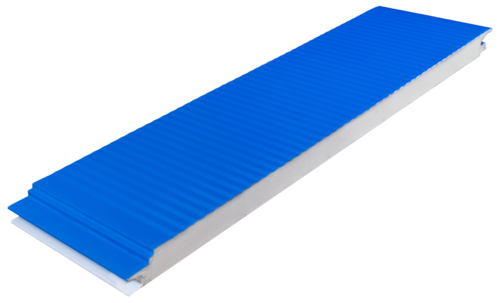
Technical Specifications
Normal Profile

| Effective width | 95 cm |
|---|---|
| Length | 2 - 13 m |
| Insulation Thickness | 5, 8, 10 cm |
| Sheet Thickness | 0.35 - 0.80 mm |
| Sheet Material | Galvanized, Aluzinc, Stainless Steel |
| Insulation | Polyurethane (PUR) 40 kg/m3 |
| Features | Fireproof |
Hidden Screw Profile

| عرض | ۱۰۸۰ mm |
|---|---|
| عرض مفید | ۱۰۰۰ mm |
| طول | ۲ - ۱۳ m |
| ضخامت عایق | ۵ - ۶ cm |
| ضخامت ورق | ۰٫۳۵ - ۰٫۸۰ mm |
| نوع ورق | ورق گالوانیزه، رنگی، آلوزینک، استیل |
| دانسیته فوم | ۴۰ kg/m3 |
| نوع تولید | کانتینیوس |
| ویژگیها | پیچ مخفی - نسوز |
ساندویچ پانل دیواری نما

| عرض ورق خام | ۱۲۵۰ mm |
|---|---|
| عرض مفید | ۱۰۰۰ mm |
| طول | ۲ - ۱۳٫۵ m |
| ضخامت عایق | ۵ - ۶ cm |
| ضخامت ورق | ۰٫۳۵ - ۰٫۸۰ mm |
| نوع ورق | ورق گالوانیزه، رنگی، آلوزینک، استیل |
| دانسیته فوم | ۴۰ kg/m3 |
| نوع تولید | کانتینیوس |
| ویژگیها | پیچ مخفی - نسوز |
Polyurethane (PU) Wall Sandwich Panel
Polyurethane (PU) is an advanced insulating foam recognized as one of the best options for thermal and acoustic insulation due to its outstanding properties. It is produced by combining polyol and isocyanate under controlled conditions in the presence of a catalyst, offering superior performance and advantages compared to polystyrene foam. One of the key features of this insulation is its high temperature resistance; PU sandwich panels can withstand temperatures ranging from -50°C to 110°C.
PU wall sandwich panels are available in various thicknesses, from 2 to 25 cm, and can be manufactured according to customer requirements. Each panel consists of three layers: two thin outer layers (usually metal) and a thick middle layer of polyurethane foam insulation. The density of the PU foam, which significantly affects insulation performance, typically ranges from 38 to 42 kg/m³. These characteristics make PU wall sandwich panels an ideal choice for a wide range of industrial and construction applications.
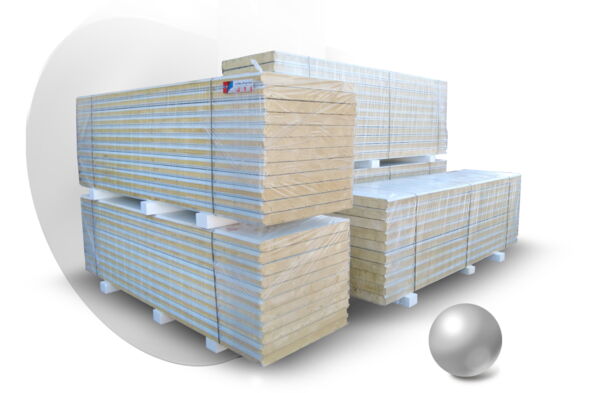
Features of Gharb Panel Wall Sandwich Panels
-

Thermal Insulation -

Durability -

Waterproof -

Fire resistant -

Sound insulation -

Quick and easy installation
Choosing Wall Sandwich Panels
When selecting wall sandwich panels, factors such as insulation type, panel thickness, and the material of the outer layers should be carefully considered. The panel thickness should be chosen according to the project requirements and local climate conditions; for instance, thicker panels perform better in areas with extreme heat or cold. The material of the outer layers plays a crucial role in resistance to corrosion, moisture, and physical damage, with galvanized or aluminum sheets with anti-rust coating generally being the best options.
Additionally, the color and design of the panel can affect the overall appearance of the building, so it should be coordinated with the overall architectural design. Assessing build quality, product standards, and warranty are also important factors when purchasing wall sandwich panels.

Pricing of Gharb Panel Wall Sandwich Panels
The price of wall sandwich panels depends on several factors, and an approximate cost cannot be provided without proper calculations. Pricing must be determined by a sales expert based on the requested specifications. These factors include:
- Profile Type: Wall, hidden-fastener, or facade profiles.
- Sheet Material: The top and bottom sheets can be galvanized, Aluzinc, or aluminum. To reduce costs, the bottom sheet can also be selected as water-resistant foil paper.
- Sheet Thickness: Increasing the sheet thickness raises both the weight and the price of the sandwich panel. Typically, the bottom sheet is chosen thinner than the top sheet.
- Sheet Color: The bottom sheet, which forms the interior wall, is generally white, while colored panels (blue, red, orange) are more common for facades.
- Insulation Thickness: Thicker insulation improves thermal resistance against heat and cold and significantly impacts the price.
- Insulation Density: Density is selected based on the intended application.
- Panel Width: The width of the sandwich panel is generally fixed according to the profile type, although narrower panels can be produced under certain conditions.
Additionally, the total coverage of wall sandwich panels will be slightly greater than the structure’s dimensions due to panel overlaps.
Wall Sandwich Panel inquiry
Call for Advice
+98 912 017 1242Gharb Panel’s Commitment to Customer Satisfaction
GharbPanel has always placed customer satisfaction at the core of its mission. Throughout all years of operation, our customers’ satisfaction has been our most valuable asset and the guarantee for our continued growth. To ensure the highest product quality, we continuously invest in new production lines and employ skilled, educated technical experts. We carefully manage every stage of production, quality control, proper packaging, and delivery to ensure that the panels you receive meet your exact specifications.
The process of purchasing wall sandwich panels—from the initial order to final delivery—can be time-consuming. GharbPanel has streamlined this process using advanced production and sales management systems along with trained personnel to reduce lead times. For more information, pricing of sandwich panels, or any technical inquiries, please contact us at +98416206.
Sandwich Panels for Roof and Wall Applications
Sandwich panels are an excellent choice for commercial and residential buildings, offering easy installation and effective insulation for both roofs and walls. Each panel consists of three main layers: two metal sheets and a thick insulation core, providing high strength while remaining lightweight. The core insulation can be made from polystyrene, polyurethane foam, glass wool, or other insulating materials. Currently, polyurethane panels are the most popular, while polystyrene panels offer a cost-effective alternative, serving as an excellent substitute for traditional corrugated roof sheets. The metal sheets in sandwich panels can be pre-painted, galvanized, Aluzinc, Galvalume, aluminum, or water-resistant foil paper.
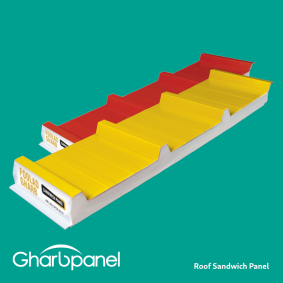
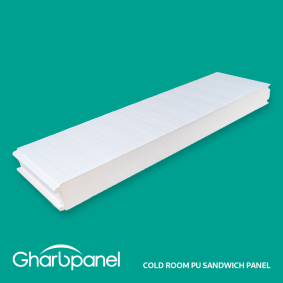
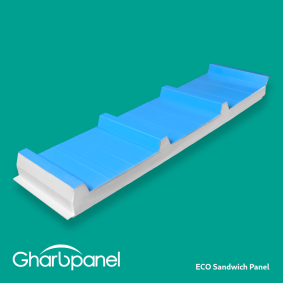
Sandwich panels are manufactured for various applications, including roofing, walls, and cold storage facilities. The main difference between roof and wall panels lies in the top sheet profile: roof panels feature ridges that allow them to bear additional loads, while wall panels use facade-profile sheets on both sides. The effective width of roof panels is narrower than that of wall panels. Panel lengths are generally limited to 15 meters. Insulation thickness can be selected based on the intended application—such as cold storage, poultry farms, sports halls, warehouses, or industrial halls—ranging from 4 to 25 cm.