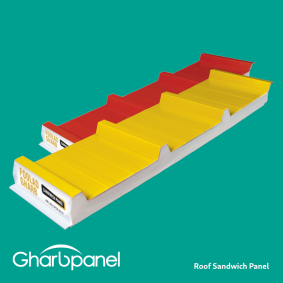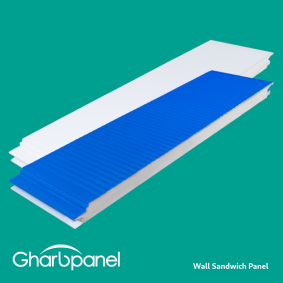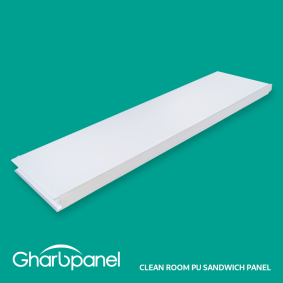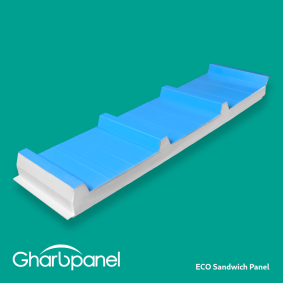


Cold Storage Panel
Looking for reliable cold storage solutions? GharbPanel’s polyurethane-insulated sandwich panels are designed for maximum thermal efficiency and durability. Fully customizable in thickness and color, they meet international standards and are ideal for both small and large cold rooms.
- Direct factory sales
- Fast nationwide delivery
- Premium quality at competitive prices
Contact our expert team today to get a quote and ensure your cold storage project is built with the best materials.
Technical Specifications
| عرض ورق خام | ۱۲۰۰ mm |
|---|---|
| عرض مفید | ۱۱۸۰ mm |
| طول | ۲ - ۱۳٫۵ m |
| ضخامت عایق | ۸ - ۱۰ - ۱۵ - ۲۰ cm |
| ضخامت ورق | ۰٫۳۵ - ۰٫۸۰ mm |
| نوع ورق | ورق گالوانیزه، رنگی، آلوزینک، استیل |
| دانسیته فوم | ۴۰ kg/m3 |
| نوع تولید | کانتینیوس |
| ویژگیها | نسوز |

What is a Cold Storage Sandwich Panel?
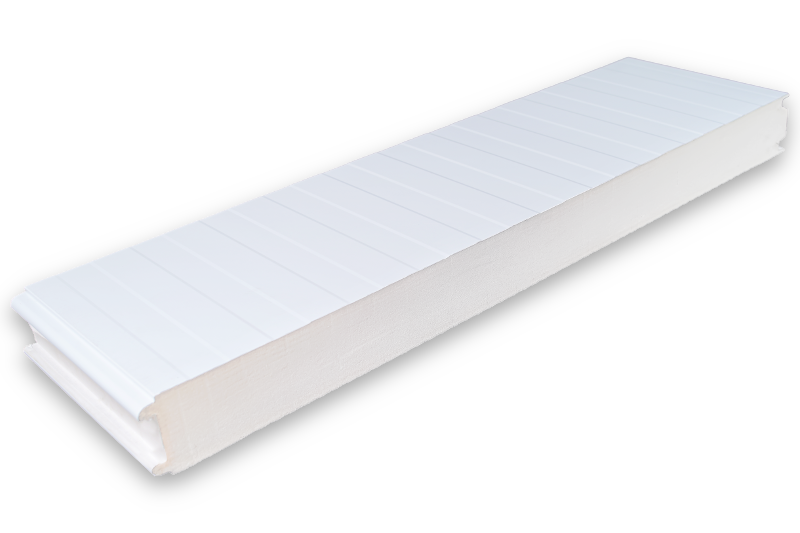
Cold storage sandwich panels are an advanced type of insulation designed to maintain stable temperatures in refrigerated environments. These panels consist of three layers: pre-painted galvanized or aluminum sheets and a polyurethane insulation core. With greater thickness (8 to 20 cm) and key features such as moisture resistance, ultra-low thermal conductivity, and the ability to withstand extremely low temperatures, they are the ideal choice for cold rooms and temperature-sensitive industries.
The main difference between these panels and standard sandwich panels lies in their increased thickness, superior thermal insulation, and special joint systems that prevent air and moisture infiltration. Additionally, the use of polyurethane foam reduces energy consumption and enhances durability.
Cold storage sandwich panels are widely used in food, pharmaceutical, and industrial facilities, and are highly popular due to their quick installation and outstanding performance.
Features of our Cold Storage Panels
-

Thermal Insulation -

Durability -

Waterproof -

Fire resistant -

Sound insulation -

Quick and easy installation
Cold storage panel selection guide
When selecting cold storage sandwich panels, you should first determine the intended application and the required ambient temperature, as panel thickness (typically 8 to 20 cm) must correspond to the operating temperature. Additionally, the material of the outer sheets (such as galvanized steel, aluminum, or stainless steel) should be chosen based on environmental conditions and moisture levels to prevent corrosion and damage. The type of core insulation is also crucial, with polyurethane foam being the best option. Furthermore, pay close attention to the quality of joints and seals, as preventing air and moisture infiltration is essential for optimal cold storage performance. Choosing a reputable manufacturer with quality guarantees and after-sales support will also ensure a secure investment.
Cold Storage Sandwich Panel Consultation

Cold Storage Sandwich Panel Specifications
Cold storage sandwich panels are designed with specific features to ensure optimal performance in refrigerated environments. Key specifications include:
- Profile Type: Cold storage
- Sheet Material: The top and bottom sheets can be galvanized steel, stainless steel, Aluzinc, or aluminum.
- Sheet Thickness: Thicker sheets increase strength and durability. Typically, the inner sheet is chosen thinner than the outer sheet.
- Sheet Color: Sheets are generally white for cold storage panels.
- Insulation Thickness: Thicker insulation enhances thermal resistance against heat and cold.
- Insulation Density: Selected based on the type and purpose of the cold storage.
- Panel Width: The width is generally fixed according to the profile type, though custom widths can be produced under special conditions.
Additionally, the total coverage of panels will be slightly larger than the structure’s dimensions due to panel overlaps
Call for Advice
+98 912 017 1242Cold Storage Panel inquiry
Principles of cold storage design and construction
A cold storage facility must be designed to maintain precise and continuous control of the internal temperature within a specific range, ensuring that various materials and products—such as food, pharmaceuticals, or chemicals—are stored under optimal conditions. In addition to temperature, relative humidity must be effectively managed, especially for moisture-sensitive products. The insulation of walls, ceiling, and floor should be highly efficient to prevent energy loss and temperature fluctuations. Proper ventilation and air circulation systems should be configured to ensure uniform airflow within the facility, preventing the accumulation of moisture and harmful gases. Furthermore, monitoring systems, such as sensors and alarms, are essential for precise control of temperature and humidity. The interior design of the cold storage should allow easy access to goods and provide adequate space for effective and safe storage of various products.